Quick answer: The tire pressure light (TPMS light) means at least one tire is significantly under-inflated, usually around 25% below the recommended pressure. If it flashes for about a minute and then stays on, that points to a system fault rather than low air, meaning the sensors cannot reliably warn you anymore.
Featured image: Photo by Chinmay Jade on Unsplash
A small, curved exclamation mark lights up on your dashboard, and you are left wondering whether to panic or just keep driving to your next stop. The tire pressure light, often called TPMS, is one of the more common dashboard warnings, and this guide breaks down exactly what it means and what to do about it.
In this guide
- What does the tire pressure light mean?
- Solid light vs. flashing light
- Where to find your correct tire pressure
- What to do when the light comes on
- Why the light sometimes turns on and off
- Why TPMS is a backup, not a replacement for checking
- Why correct tire pressure matters
- Common mistakes with the tire pressure light
- Key takeaways
What does the tire pressure light mean?
The tire pressure light, shown as a yellow symbol shaped like a tire cross-section with an exclamation point, is part of your car’s Tire Pressure Monitoring System (TPMS). A solid light means at least one tire has dropped significantly below its recommended pressure, generally around 25% under. For a tire that calls for 35 PSI, that means the light may trigger once pressure drops to roughly 26 PSI or lower.
Solid light vs. flashing light
The behavior of the light tells you two very different stories.
| Light behavior | What it means | What to do |
|---|---|---|
| Solid, steady light | A tire is significantly under-inflated | Check all tires and add air as needed |
| Flashes for 60 to 90 seconds, then stays on | A system fault, often a sensor issue | Have the TPMS inspected or serviced |
| Turns on and off | Pressure near the trigger point, often temperature-related | Monitor closely, check pressure soon |
A flashing-then-solid pattern is an important distinction. It usually means the TPMS itself cannot reliably detect low pressure anymore, so you are, in effect, driving without that safety net until it is repaired.
Where to find your correct tire pressure
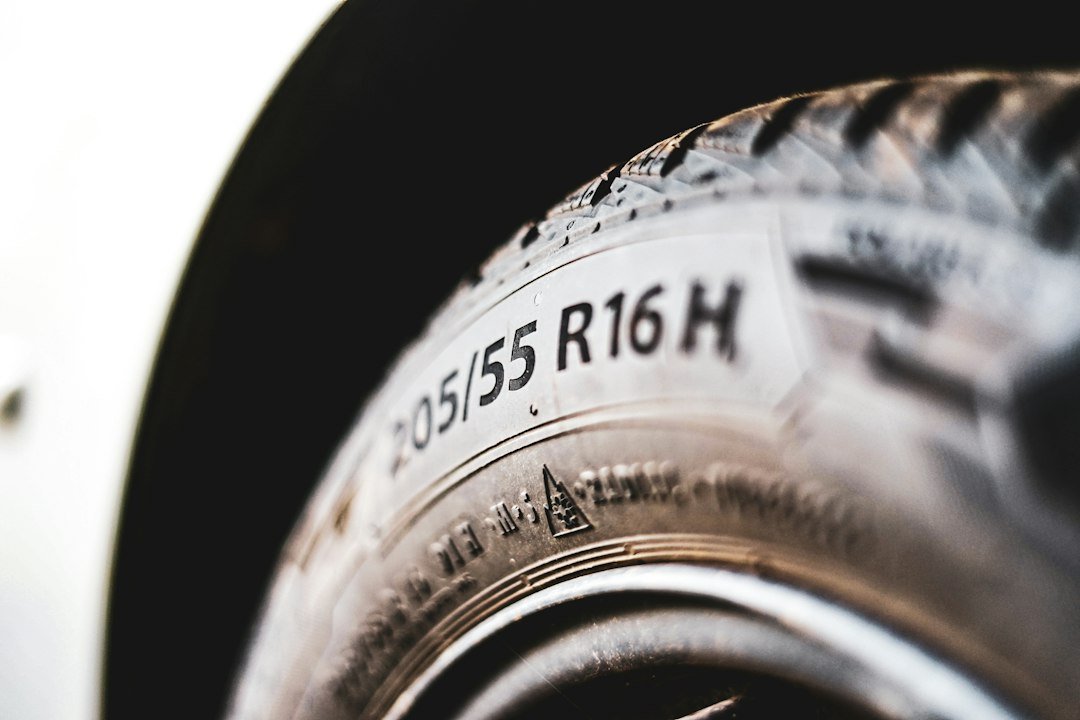
A common mistake is checking the number printed on the tire’s sidewall. That number is the maximum pressure the tire can safely hold, not the pressure your car actually needs. The correct figure is almost always found on a sticker inside the driver’s door jamb, and sometimes also inside the fuel filler door or in the owner’s manual.
What to do when the light comes on
- Find a safe spot to check your tires, ideally before driving far, since tires read lower when cold.
- Check the pressure sticker inside the driver’s door jamb for your car’s recommended PSI.
- Use a tire gauge to check all four tires, plus the spare if your car has a TPMS sensor on it.
- Add air to any tire reading low, using a gas station air pump or a home compressor.
- Drive a short distance after inflating; many systems need a few minutes of driving to recognize the corrected pressure and turn the light off.
- If the light flashes rather than staying solid, or does not turn off after correcting the air, have the system inspected.
Why the light sometimes turns on and off
Tire pressure naturally shifts with temperature. Cold mornings can lower pressure enough to trigger the warning, while the same tire reads normal once the day warms up or after driving heats the tires. If your light comes and goes with the weather, it is worth checking your pressure directly rather than assuming it is nothing, since a tire that hovers near the trigger point is still running below ideal pressure a lot of the time.
Why TPMS is a backup, not a replacement for checking
Guides from major tire makers are consistent on this point: the TPMS light is designed as a backup warning, not a substitute for routine checks. A tire can drop below its ideal pressure well before it reaches the roughly 25%-low threshold that triggers the light. That is why a monthly manual check, along with checks before long trips or when carrying extra weight, catches problems earlier than waiting for the dashboard to tell you.
Why correct tire pressure matters
- Safety: Under-inflated tires handle worse and are more prone to blowouts, especially at highway speed.
- Fuel efficiency: Low pressure increases rolling resistance, which can lower your gas mileage.
- Tire wear: Incorrect pressure causes uneven wear, which can shorten a tire’s usable life.
- Ride comfort: Properly inflated tires absorb bumps more predictably.
Common mistakes with the tire pressure light
- Using the number on the tire sidewall. That is the maximum rating, not the recommended pressure.
- Ignoring a flashing light. It signals a system problem, not something to simply wait out.
- Checking pressure right after driving. Warm tires read higher than their true cold pressure.
- Assuming the light will always catch a problem early. It is a backup, not a replacement for a monthly check.
Key takeaways
- The tire pressure light means at least one tire is significantly under-inflated, usually around 25% low.
- A flashing-then-solid pattern signals a TPMS system fault, not low air.
- The correct PSI is on the door jamb sticker, not the tire sidewall.
- Check tires monthly, since the light is a backup warning, not an early-detection tool.
- Have the system inspected if the light does not turn off after you correct the pressure.
A seasonal pattern worth planning around
Tire pressure drops noticeably as temperatures fall, which is why TPMS lights spike in frequency every autumn even on tires with no actual leak. Checking pressure at the start of each new season, not just when the light comes on, catches this predictable dip before it ever triggers a warning.
What a consistently low single tire can suggest
If one specific tire keeps needing air more often than the others, even after inflating it correctly, that pattern often points to a slow leak rather than normal seasonal pressure loss, and is worth having inspected before it becomes a larger issue.
Frequently asked questions
What does the tire pressure light mean?
It means at least one tire is significantly under-inflated, typically around 25% below the recommended pressure shown on your door jamb sticker.
Why is my tire pressure light flashing instead of staying solid?
A light that flashes for about 60 to 90 seconds at startup and then stays on usually signals a TPMS system fault, not low air, meaning the system needs to be checked or reset.
Where do I find the correct tire pressure for my car?
Check the sticker inside the driver’s door jamb, not the number printed on the tire itself, which shows the tire’s maximum rating, not the recommended pressure.
Can temperature affect the tire pressure light?
Yes. Cold weather can lower tire pressure enough to trigger the light even without a leak, and the light may turn on and off as temperatures fluctuate.
How often should I check my tire pressure?
Check it about once a month, along with before any long trip or when carrying extra weight, since tires can lose pressure gradually before the warning light ever comes on.