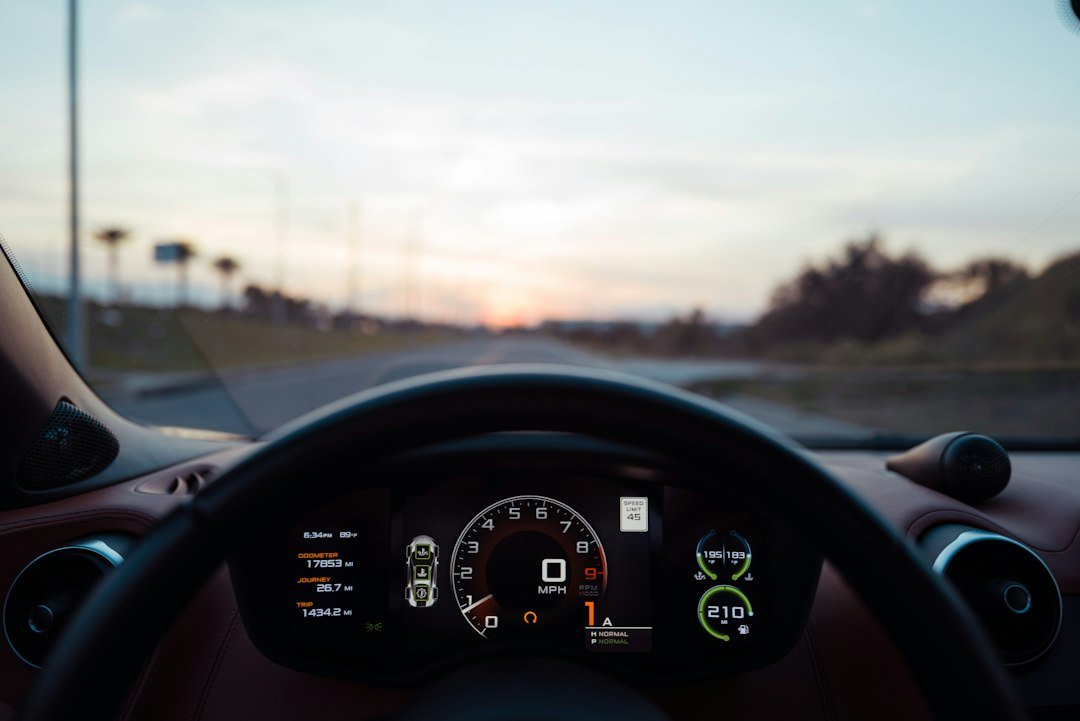
Quick answer: “Engine Power Reduced” means your car’s computer has detected a problem and limited engine output to protect the engine or drivetrain from further damage, a state often called “limp mode.” You may notice slower acceleration and a capped top speed. It is a protective measure, not an instant emergency, but it should not be ignored.
Featured image: Photo by Dennis Eusebio on Unsplash
You press the gas pedal and the car barely responds, while a message on your dashboard reads “Engine Power Reduced.” It can feel alarming, especially in traffic. This guide explains what the message means, why your car’s computer does this on purpose, and what steps to take next.
In this guide
What does Engine Power Reduced mean?
“Engine Power Reduced” means your car’s engine control unit (ECU) has detected a fault somewhere in the engine or drivetrain and has deliberately limited how much power the engine can produce. This protective state is often nicknamed “limp mode,” since the car is designed to limp along safely rather than risk further damage at full power.
You will typically notice slower acceleration, a capped top speed, and sometimes a rougher idle, even though the engine itself may still be mechanically capable of full power.
Why does the car limit its own power?
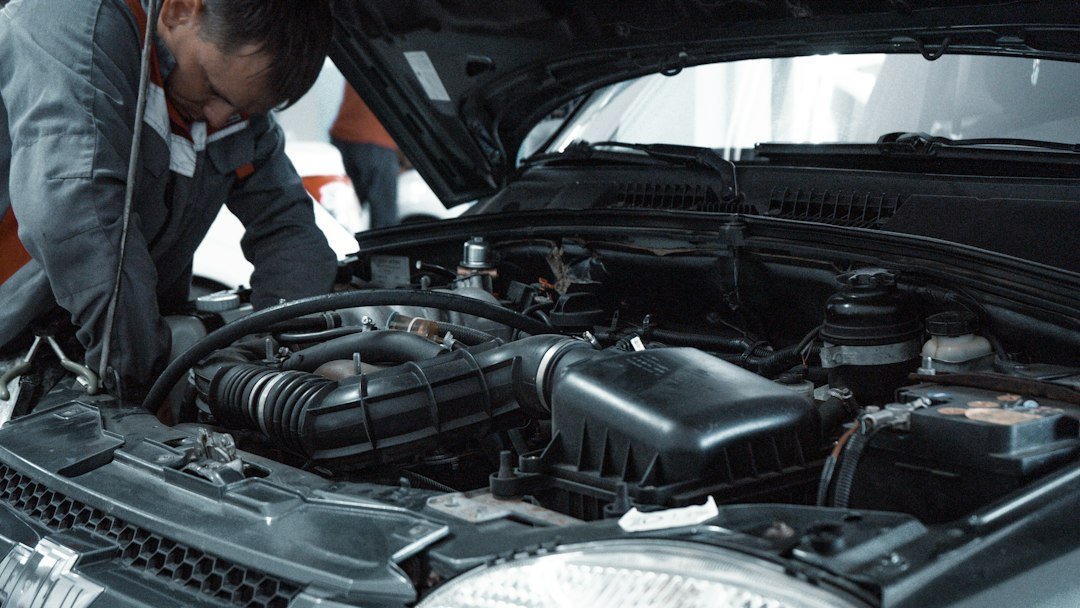
It sounds strange for a car to intentionally hold itself back, but it is a safety feature. If a sensor is sending bad readings, or if something like transmission slippage or overheating is detected, continuing at full power could cause serious damage. By reducing power, the computer buys time and reduces strain, ideally long enough for you to reach a repair shop instead of breaking down on the road.
Common causes of reduced engine power
- Faulty sensors, such as the throttle body, mass airflow sensor, or oxygen sensor, sometimes due to nothing more than a loose connection.
- A clogged catalytic converter, which restricts exhaust flow.
- Accelerator pedal sensor issues, which can cause erratic readings the computer reacts to cautiously.
- Transmission problems, where slipping gears prompt the computer to protect the drivetrain.
- Overheating, which can risk serious damage like a head gasket failure if ignored.
- Fuel or fluid contamination, occasionally introduced during a refill.
What to do when the message appears
- Stay calm and get a feel for how the car is responding; note if it is driving normally but slower, or struggling significantly.
- Move to a safe lane and reduce your speed, since high-speed maneuvers may feel sluggish in this state.
- Check your exact dashboard wording, since some messages note the car can continue carefully, while others suggest stopping sooner.
- Head toward a repair shop rather than continuing a long trip, avoiding highway speeds if possible.
- Have the fault code read with an OBD2 scanner, either at a parts store or a mechanic, to identify the specific cause.
- Avoid guessing and replacing parts before the code is read, since several different issues can trigger the same message.
Limp mode vs. other warning lights
| Warning | What it signals | Can you keep driving? |
|---|---|---|
| Engine Power Reduced | Computer is actively limiting power | Often yes, cautiously, to reach help |
| Service Engine Soon | A fault was found, may not affect driving feel | Usually yes for a short distance |
| Oil pressure light | Oil pressure has dropped to an unsafe level | No, stop immediately |
| Tire pressure light | A tire is significantly under-inflated | Yes, but check and correct pressure soon |
Reduced engine power sits in the middle: more urgent than a simple check engine light, but not usually as immediately dangerous as an oil pressure warning.
Is it expensive to fix?
The cost varies enormously depending on the cause. A loose sensor connection might cost nothing beyond a diagnostic fee, while a failing catalytic converter or transmission issue can be considerably more expensive. This is exactly why reading the fault code first matters, rather than assuming the worst or replacing parts based on a guess.
Common mistakes
- Continuing to drive at highway speed. The reduced power state is not meant for normal driving conditions.
- Ignoring a message that seems to go away. If it returns, the underlying fault is still there.
- Replacing parts without a fault code. Several unrelated issues can trigger the same message.
- Assuming it is always a minor issue. Causes range from a loose wire to serious overheating damage.
Key takeaways
- Engine Power Reduced means the computer deliberately limited engine power, often called limp mode.
- It is a protective response, not necessarily an emergency, but it should not be ignored.
- Common causes include faulty sensors, a clogged catalytic converter, transmission issues, and overheating.
- Drive cautiously to a repair shop rather than continuing normally.
- Reading the fault code is the fastest way to identify the actual cause.
How long limp mode typically lasts
Limp mode usually stays active for the rest of that driving session, even after the triggering issue briefly clears, as a safety precaution. Many vehicles return to full power only after the engine is turned off and restarted, giving the computer a chance to re-check conditions from a clean state.
A note on towing capacity while in limp mode
If you are towing anything when the message appears, treat it as an immediate reason to stop rather than continue, since the reduced power state combined with trailer weight significantly increases strain on an already-flagged system.
Frequently asked questions
What does Engine Power Reduced mean?
It means your car’s computer detected a fault and limited engine power to protect it, often called limp mode, which reduces acceleration and top speed.
Can I keep driving with reduced engine power?
Often yes, carefully, to reach a safe location or repair shop, since the message means a response is protective, but you should avoid highway speeds and get it checked soon.
What usually causes reduced engine power?
Common causes include faulty sensors like the throttle body or mass airflow sensor, a clogged catalytic converter, transmission issues, or overheating.
Is reduced engine power the same as the check engine light?
They often appear together, but reduced power specifically means the computer is actively limiting output, while a check engine light alone may not change how the car drives.
How do I find out the exact cause?
A mechanic or an OBD2 scanner can read the stored fault code, which points to the specific sensor or system that triggered the response.