
Quick answer: A flashing red light on your dashboard signals a serious, urgent problem, most often related to the brake system or engine. Red is reserved for a car’s most critical warnings. If a dashboard light is flashing red, pull over safely as soon as you can and address it immediately, since this color is never meant to be driven past.
Featured image: Photo by Unervi González on Unsplash
Of all the colors on a car’s dashboard, red carries the most weight. If a light is not just red but flashing red, that is your car’s way of saying something needs attention right now. This guide explains why red is treated so seriously and what to do the moment you see it.
In this guide
What does a flashing red light mean?
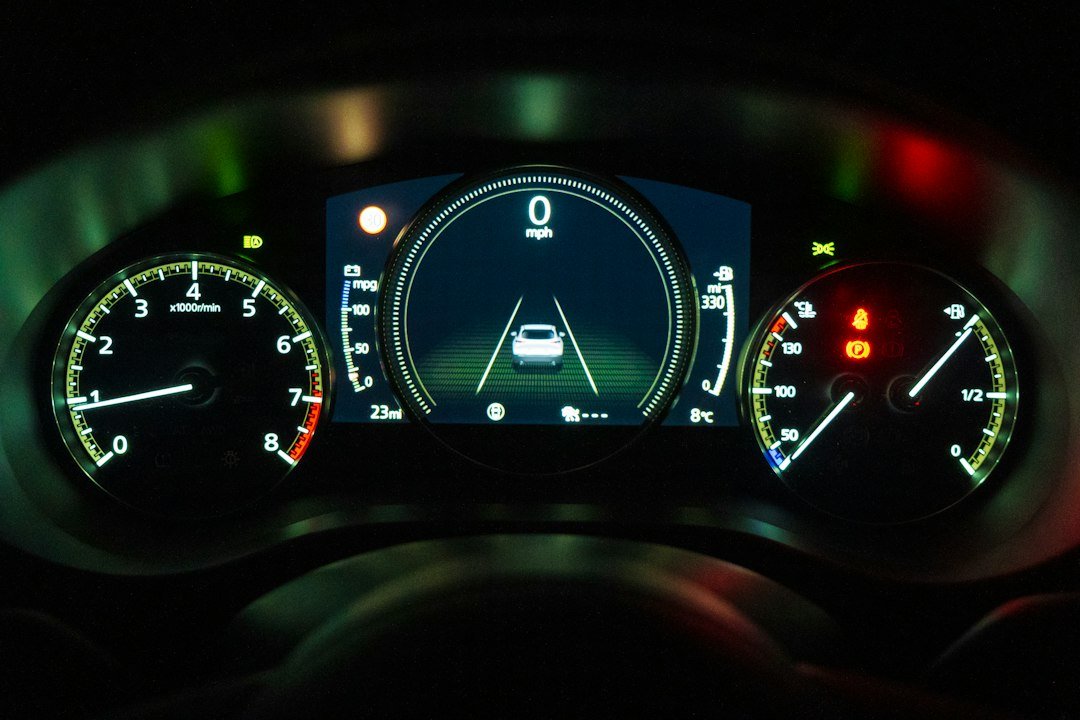
Car dashboards generally follow a simple color system: green or blue for information, yellow or amber for “something needs attention soon,” and red for urgent, safety-related problems. A flashing red light escalates that further, usually signaling an active, ongoing issue rather than something you can plan to look at next week.
The most common example is a flashing or steady red brake warning light, which points to a problem within the brake system, something you never want to delay checking.
Why red lights demand an immediate response
Car makers reserve red specifically for conditions that can affect your safety or cause serious damage if ignored, such as brake problems, critical overheating, or in some vehicles, a flashing red security or immobilizer light. Unlike a yellow “service soon” light, red is not designed to be driven past casually.
What to do when you see a flashing red light
- Reduce your speed and move toward the shoulder or a safe place to stop.
- Do not continue your trip as if nothing happened, even if the car still seems to be driving normally.
- Check your owner’s manual to identify the exact symbol, since red lights can represent different systems depending on the make and model.
- If it relates to brakes, test them cautiously at low speed in a safe area before deciding whether to keep driving at all.
- Call for roadside assistance or a tow if you are unsure, rather than risk continuing.
Common systems a red light can represent
| System | What a red warning might mean |
|---|---|
| Brakes | Low brake fluid, a brake system fault, or the parking brake engaged |
| Oil pressure | Oil pressure has dropped to an unsafe level |
| Temperature | The engine is critically overheating |
| Battery/charging | A serious charging system failure |
| Security/immobilizer | In some cars, a flashing red light here is simply the anti-theft system, not a fault |
Notice that not every red light is a driving hazard. Some, like certain security system indicators, flash red simply to show the car is locked and protected, which is why checking your specific manual matters.
Red vs. yellow dashboard lights
It helps to understand the broader color system your car uses. Yellow or amber lights usually mean “get this checked soon,” while red lights mean “this needs attention now.” A flashing yellow light can sometimes be just as urgent as red, depending on the system, so when in doubt, treat any flashing light with real caution rather than assuming color alone tells the whole story.
Common mistakes
- Continuing to drive normally. A flashing red light is never meant to be ignored.
- Assuming every red light means the same thing. The exact meaning depends on the symbol and your specific vehicle.
- Panicking over a security light. Some red indicators, like certain anti-theft lights, are not actual warnings.
- Skipping the owner’s manual. It is the fastest way to confirm exactly which system triggered the light.
Key takeaways
- A flashing red dashboard light signals a serious, urgent problem, most often brake- or engine-related.
- Red is reserved for a car’s most critical warnings, unlike yellow’s “service soon” meaning.
- Pull over safely and address the issue before continuing to drive.
- Not every red light is a driving hazard, some security indicators are normal.
- Check your owner’s manual to confirm the exact symbol for your vehicle.
A real-world example of ignoring it
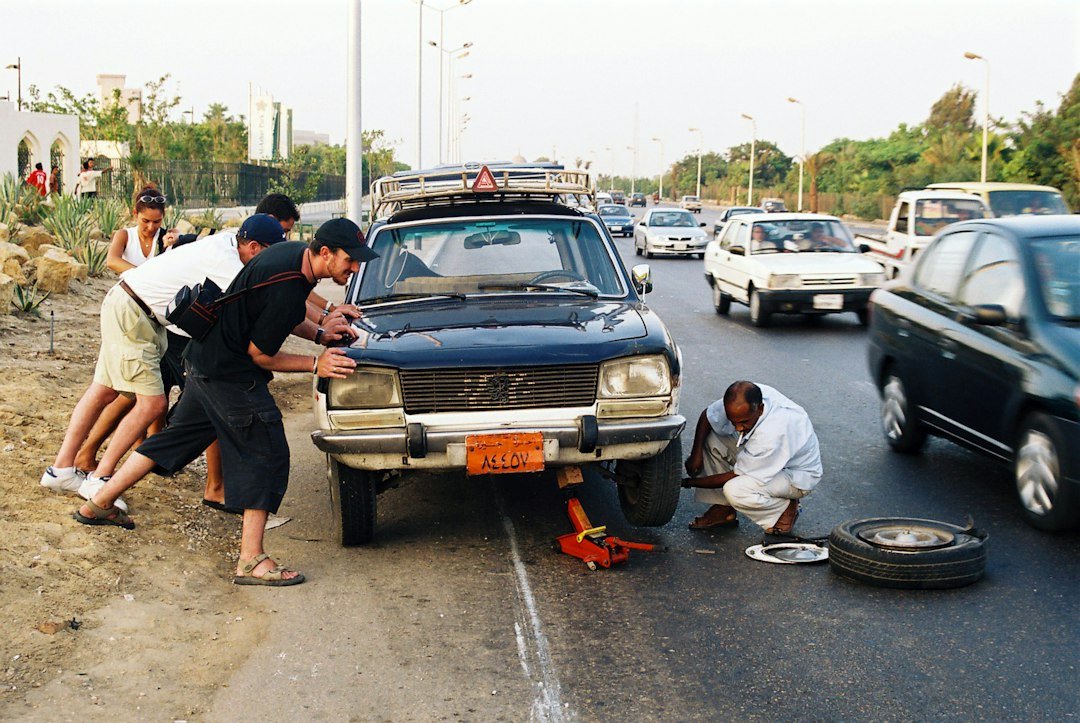
A common story mechanics describe: a driver notices a flashing red brake light, assumes it is a sensor glitch since the brakes still “feel fine,” and keeps driving for days. By the time they get it checked, low brake fluid from a slow leak has progressed to the point where stopping power is genuinely compromised. The light was accurate the entire time; the delay was the actual risk.
Red lights that are rare but worth knowing
| Less common red light | What it can mean |
|---|---|
| Seatbelt reminder (flashing) | Someone is unbuckled while the car is moving |
| Airbag light | A fault in the airbag system, worth checking before any potential deployment is needed |
| Parking brake | Left engaged, or in some cars, a brake system fault if it stays on while driving |
Frequently asked questions
What does a flashing red dashboard light mean?
It means a serious, urgent issue, often related to the brakes or engine, that needs immediate attention. Red is reserved for a car’s most critical warnings.
Should I keep driving if a red light is flashing?
No. Pull over as soon as it is safe to do so and address the issue before continuing, since red warnings point to safety-critical problems.
What is the most common flashing red light?
A flashing or steady red brake warning light is common and should always be treated seriously, since it points to a brake-system issue.
Is a flashing red light different from a steady red light?
Both are serious, but a flashing light often signals an active, ongoing fault rather than a stored or intermittent one, and deserves prompt attention either way.
What should I do first when I see one?
Reduce speed, move to a safe location to pull over, and check your owner’s manual for the exact symbol, since the specific fix depends on which system triggered it.