
Quick answer: Michael comes from the Hebrew name Mikha’el, usually translated as “who is like God.” It is a question-style name, traditionally understood as a rhetorical way of expressing that no one compares to God. It is the name of an archangel in several religious traditions and has remained one of the most enduringly popular names in English-speaking countries.
Featured image: Photo by Babak Eshaghian on Unsplash
Few names have stayed as consistently popular across generations as Michael. From ancient religious texts to modern classrooms, it has held its place as one of the most recognized names in the English-speaking world. This guide explains what it means, where it comes from, and why it has lasted so long.
In this guide
What does Michael mean?
Michael comes from the Hebrew name Mikha’el, built from three parts: mi (“who”), kha (“like”) and El (“God”). Put together, it forms a rhetorical question, “Who is like God?”, traditionally understood to mean that the answer is no one, a way of expressing God’s unmatched greatness rather than literally asking a question.
Michael in religious tradition
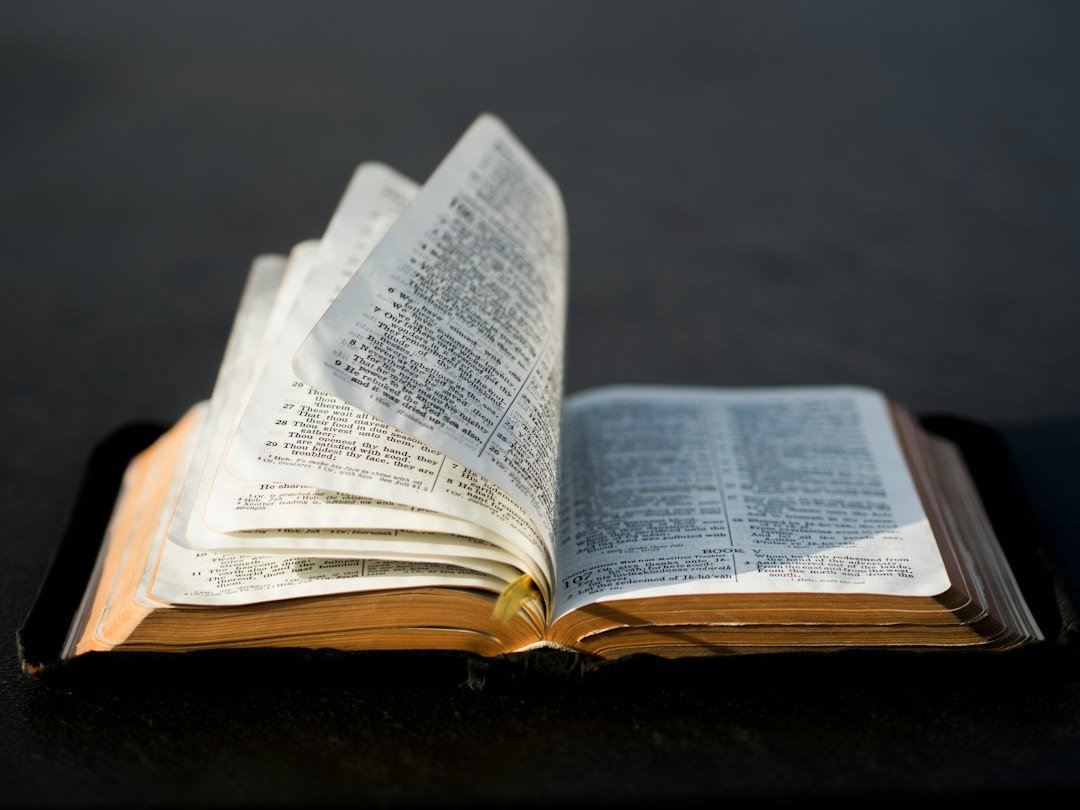
The name carries deep religious significance. In the Hebrew Bible, the Book of Daniel describes Michael as a great prince and protector. In Christian tradition, Archangel Michael is often depicted as a warrior angel who leads the forces of good against evil, a role referenced in the Book of Revelation. The name also holds a place of respect in Islam, where the angel is known as Mikail, one of the archangels mentioned in Islamic texts.
Because the name appears across three major religious traditions, it has had an unusually wide and lasting reach compared to many other biblical names.
Michael in other languages
| Language | Form | Notes |
|---|---|---|
| Hebrew | Mikha’el | The original form |
| Spanish | Miguel | Common throughout Latin America and Spain |
| Italian | Michele | Also used as a modern given name |
| Russian | Mikhail | Short form Misha |
| French | Michel | A long-standing classic French name |
| Irish | Mícheál | Gaelic form, often anglicized to Michael |
Each version carries the same core meaning, shaped by the sound and spelling patterns of its own language.
Nicknames for Michael
- Mike: the most common and direct short form
- Mikey: a warmer, more casual version
- Mick and Micky: less common today but still used
- Misha: the Russian short form, occasionally used in English as well

Famous people named Michael
- Michael Jordan, widely regarded as one of the greatest basketball players of all time.
- Michael Jackson, one of the best-selling music artists in history.
- Michael Caine, a veteran English actor known for decades of film work.
- Michael Faraday, a pioneering scientist whose work shaped the understanding of electromagnetism.
Across sports, music, film and science, the name has been carried by some of the most recognized figures of the last century, which has likely helped keep it in steady use.
Why has Michael stayed so popular?
Few names manage to stay near the top of popularity charts for decades at a time, but Michael has done exactly that in many English-speaking countries. A few factors likely explain its staying power: its strong religious roots give it lasting cultural weight, its sound is easy to pronounce across many languages, and its short forms, especially “Mike,” offer a casual, approachable alternative for everyday use.
Choosing the name Michael
If you are considering the name for a child, it pairs naturally with a wide range of middle names and works well in both formal and casual settings. Try it alongside your last name, and consider how it sounds with common nicknames like Mike or Mikey, since many people end up using a short form daily even if the full name appears on official documents.
Common mistakes
- Assuming it is only a Christian name. It holds significance in Judaism and Islam as well.
- Mixing up Michael and Mitchell. They are unrelated names despite a similar sound.
- Overlooking its many international forms. Miguel, Michel and Mikhail all share the same root.
- Forgetting regional nickname preferences. Not everyone named Michael prefers to be called Mike.
Key takeaways
- Michael means “who is like God,” from the Hebrew Mikha’el.
- It is the name of an archangel in Judaism, Christianity and Islam.
- Common nicknames include Mike, Mikey and Mick.
- International forms include Miguel, Michel and Mikhail.
- It has remained one of the most consistently popular names for decades.
Michael’s enduring chart position
Unlike trend-driven names that spike and fade within a decade, Michael has shown remarkable staying power across nearly a century of naming data in English-speaking countries, rarely dropping far outside the most popular names for boys even as naming fashions shifted dramatically around it.
A simple way to picture its three-part structure
Breaking Mikha’el into “mi-kha-El” and saying each piece slowly, who, like, God, helps the rhetorical question click for learners. It is the same structure behind other Hebrew names ending in “-el” or “-iah,” which also reference God directly within the name itself.
Frequently asked questions
What does the name Michael mean?
Michael comes from Hebrew and is usually translated as “who is like God,” a rhetorical question meaning no one compares to God.
Where does the name Michael come from?
It comes from the Hebrew name Mikha’el, made of “mi” (who), “kha” (like) and “El” (God), and appears in the Hebrew Bible as the name of an archangel.
What are common nicknames for Michael?
Mike, Mikey, Mick and Mickey are the most common short forms used in English.
Is Michael a religious name?
It has strong religious roots, as the archangel Michael appears in Judaism, Christianity and Islam, but it is widely used today by people of all backgrounds.
How popular is the name Michael?
It has been one of the most consistently popular boys’ names in the United States and many English-speaking countries for decades.